
Debunking common gambling myths what every player should know
Debunking common gambling myths what every player should know
Understanding the House Edge
One prevalent myth in the gambling world is that players can beat the house by using certain strategies or systems. Many believe that techniques like card counting or betting systems can shift the odds in their favor. However, it’s essential to understand that the house always has an edge in games of chance, such as slot machines and roulette. This advantage is built into the game’s design, ensuring that over time, the New Online Casinos Australia will always come out ahead.
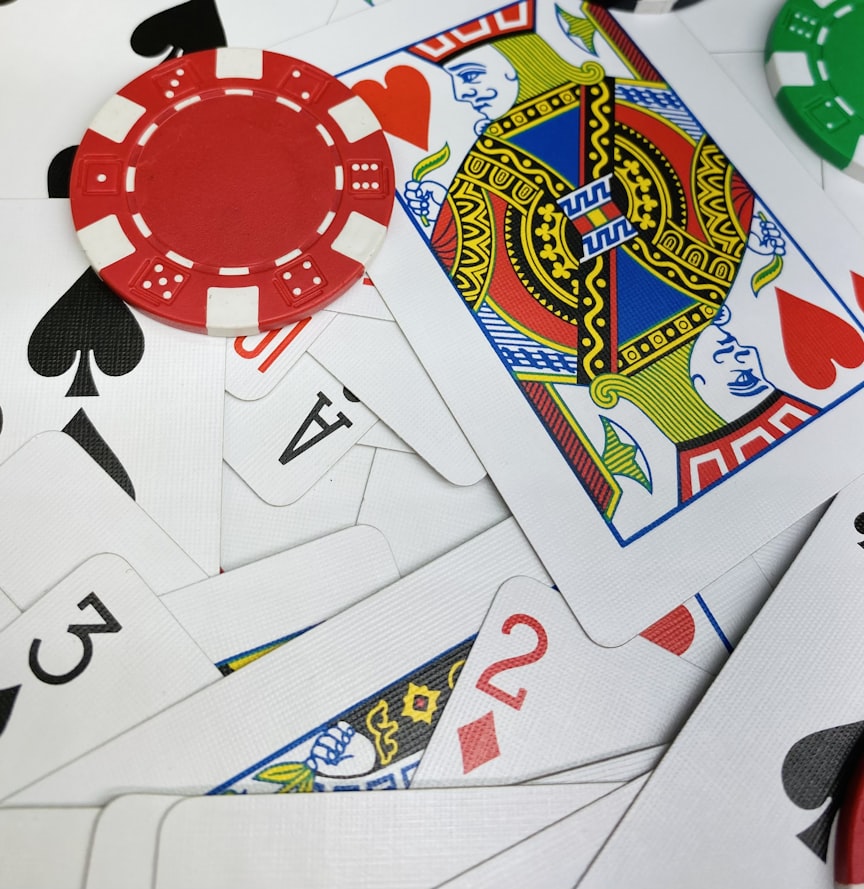
The house edge varies from game to game; for example, in blackjack, players can reduce the house’s advantage significantly through optimal play, but it never disappears entirely. Conversely, in games like slots, the house edge is typically much higher, making it nearly impossible for players to influence the outcome. Recognizing this reality helps players set realistic expectations and encourages responsible gambling.
Being aware of the house edge allows players to make informed decisions about which games to play and how much to wager. It’s not about defeating the house but rather enjoying the experience within the context of its inherent odds. Education is key in gambling; understanding the mechanics can enhance enjoyment while minimizing losses.
The Illusion of “Hot” and “Cold” Streaks
A common belief among gamblers is that past results can predict future outcomes, leading to the concept of “hot” and “cold” streaks. Players often assume that if a slot machine hasn’t paid out recently, it is due for a win. This myth stems from the misconception that random events can influence one another, known as the gambler’s fallacy. In reality, games of chance like slots operate on random number generators, making each spin independent of previous results.
The idea of streaks can cloud judgment, as players may continue to chase losses based on the belief that a win is overdue. This behavior can lead to significant financial losses, reinforcing the importance of understanding that every spin or hand is statistically independent. By dispelling this myth, players can approach gaming more rationally and avoid falling into the trap of emotional decision-making.
Recognizing that outcomes are entirely random helps maintain a healthier gambling mindset. Players should focus on enjoying the game rather than fixating on past results. Emphasizing entertainment over profit can lead to a more responsible gambling experience, where the primary goal is enjoyment rather than expectation.
Myths About Gambling Addiction
There’s a pervasive myth that only certain types of people become addicted to gambling, often associated with stereotypes of irresponsible or financially troubled individuals. In reality, gambling addiction can affect anyone, regardless of their background or financial status. This misconception can prevent individuals from seeking help, as they may not see themselves fitting into the traditional mold of a gambling addict.
The truth is that gambling addiction is a complex condition influenced by various factors, including psychological and social elements. Awareness and education about the signs of gambling addiction are crucial for fostering an environment where individuals feel safe to seek help. Understanding that anyone can become addicted is essential for preventing and addressing the issue within the community.
Resources and support systems are available for anyone struggling with gambling addiction. Increasing public awareness can encourage more individuals to come forward and seek assistance. It’s vital to create conversations around responsible gambling and to emphasize the importance of playing for fun rather than as a means to escape or solve personal issues.
The Myth of Winning Strategies
Another common myth in the gambling community is the belief that a winning strategy can guarantee success. Many players swear by systems like the Martingale strategy, where they double their bet after every loss, convinced that it will eventually lead to a win. However, these strategies often ignore crucial elements such as the house edge and table limits, which can lead to devastating losses rather than the promised success.
While certain strategies can enhance the player’s experience and potentially minimize losses, no system can overcome the randomness inherent in games of chance. Players must understand that gambling is ultimately about chance, and no strategy can predict or manipulate outcomes. This understanding is essential for maintaining a healthy relationship with gambling.
Players are encouraged to approach gambling with a mindset focused on enjoyment rather than profit. By reframing their perspective, individuals can appreciate the thrill of the game while recognizing the importance of responsible gaming practices. Setting budgets and limits is far more effective than relying on unproven strategies, contributing to a more sustainable and enjoyable gambling experience.

Finding Responsible Gambling Tools and Resources
As the landscape of gambling continues to evolve, resources for responsible gambling have become more accessible. Many online casinos now offer tools that allow players to set limits on their spending, time, and even the types of games they play. Recognizing and utilizing these resources is crucial for ensuring a responsible gambling experience. Players should be proactive in managing their gaming habits by taking advantage of features like self-exclusion and deposit limits.
Education on responsible gambling is vital for fostering a healthy gaming environment. Players should be aware of the risks involved and understand the signs of problematic behavior. By prioritizing education, individuals can better navigate the complexities of online gambling, ensuring that the experience remains enjoyable and safe.
For those seeking additional support, numerous organizations provide resources for individuals struggling with gambling issues. Communities and helplines are available for those who feel they may be at risk. By promoting awareness and access to resources, we can contribute to a culture of responsible gambling and help reduce the stigma associated with seeking help.